Explore the Grace of Current Roof Lanterns: Design Movements for 2026
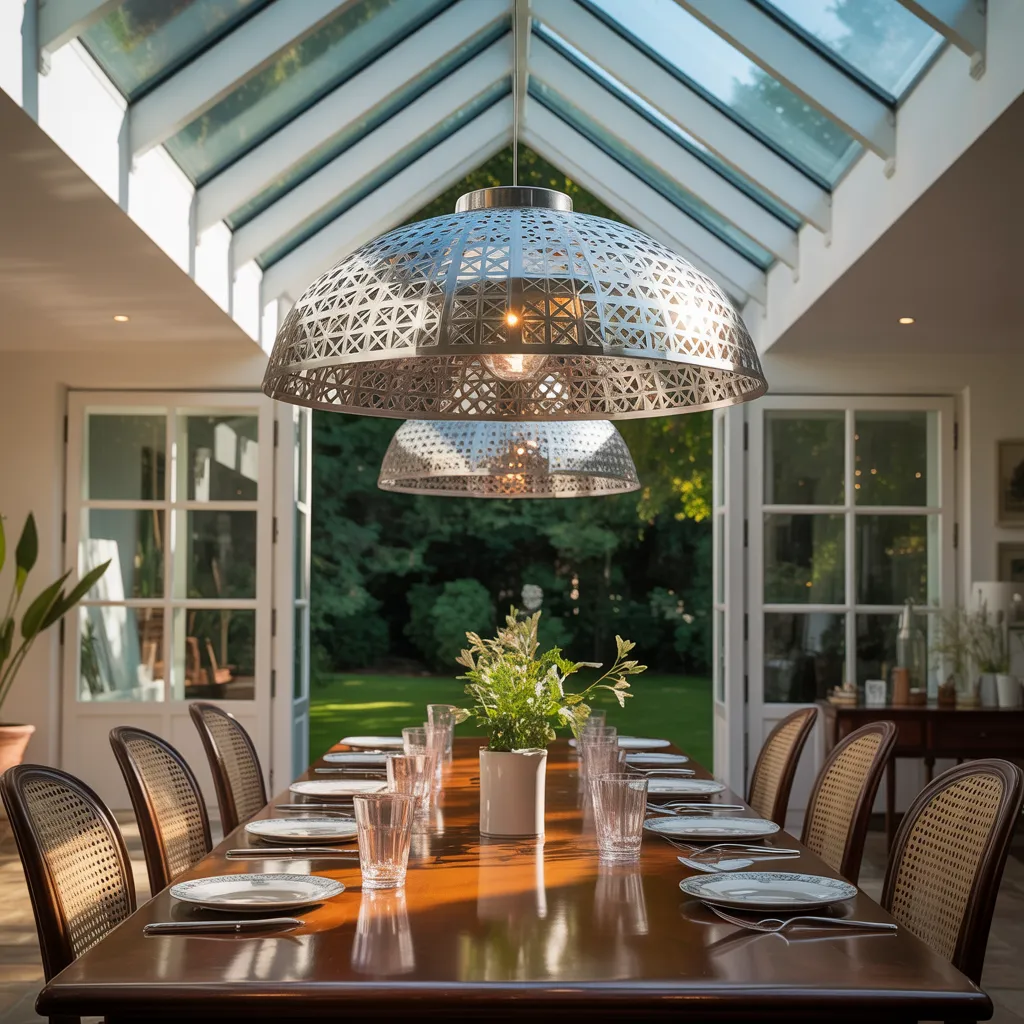
In 2026, progressive skylight designs are reformulating design innovation. Their sophisticated geometric layouts and adjustable design elements present both functional value and design distinction, connecting to contemporary design values. Eco-conscious component selections represent the established norm, advancing green initiatives combined with elegance. Modern glass innovations enhance natural brightness while ensuring thermal performance. When these elements integrate, they construct welcoming interior spaces that manifest a dedication to environmental preservation and aesthetic excellence. What proves these skylights vital to modern residences today?
The Advantages of Fitting a Modern Roof Lantern
A contemporary roof lantern works as a remarkable architectural component that strengthens both aesthetics and usefulness. By facilitating natural light to enter a space, it substantially boosts the ambiance of interiors, establishing a radiant and appealing environment. This surge of natural light can lessen the dependence on artificial lighting, consequently fostering energy efficiency and potentially reducing electricity bills.
Additionally, roof lanterns can regulate interior conditions, promoting enhanced ventilation and air movement. This may result in a more pleasant living environment throughout the year. Their varied styles can match with multiple architectural aesthetics, ensuring compatibility with both contemporary and traditional homes.
Additionally, a roof lantern can deliver a distinctive centerpiece, drawing attention and enhancing the visual appeal to any room. Overall, the installation of a modern roof lantern not only enhances the visual beauty of a home but also improves its practicality and energy efficiency, making it a worthwhile investment.
Popular Roof Lantern Materials in 2026
In 2026, the determination regarding components for modern roof lanterns illustrates a blend of innovation and environmental responsibility. Architects and designers progressively prefer green options, such as recycled aluminum and ethically harvested timber. These materials not only reduce ecological footprint but also supply a contemporary aesthetic.
Glass remains a preferred choice, with innovations in efficient window technology providing improved insulation and ultraviolet shielding. This allows homeowners to enjoy natural light while lowering energy consumption.
Additionally, hybrid composites are gaining momentum, merging the durability of synthetic substances with the beauty of authentic looks. This shift meets both functional and aesthetic requirements, ensuring longevity without compromising style.
Ultimately, the materials chosen for roof lanterns in 2026 prioritize both performance and aesthetics, creating attractive, eco-friendly options that enhance living spaces while satisfying modern ecological standards.
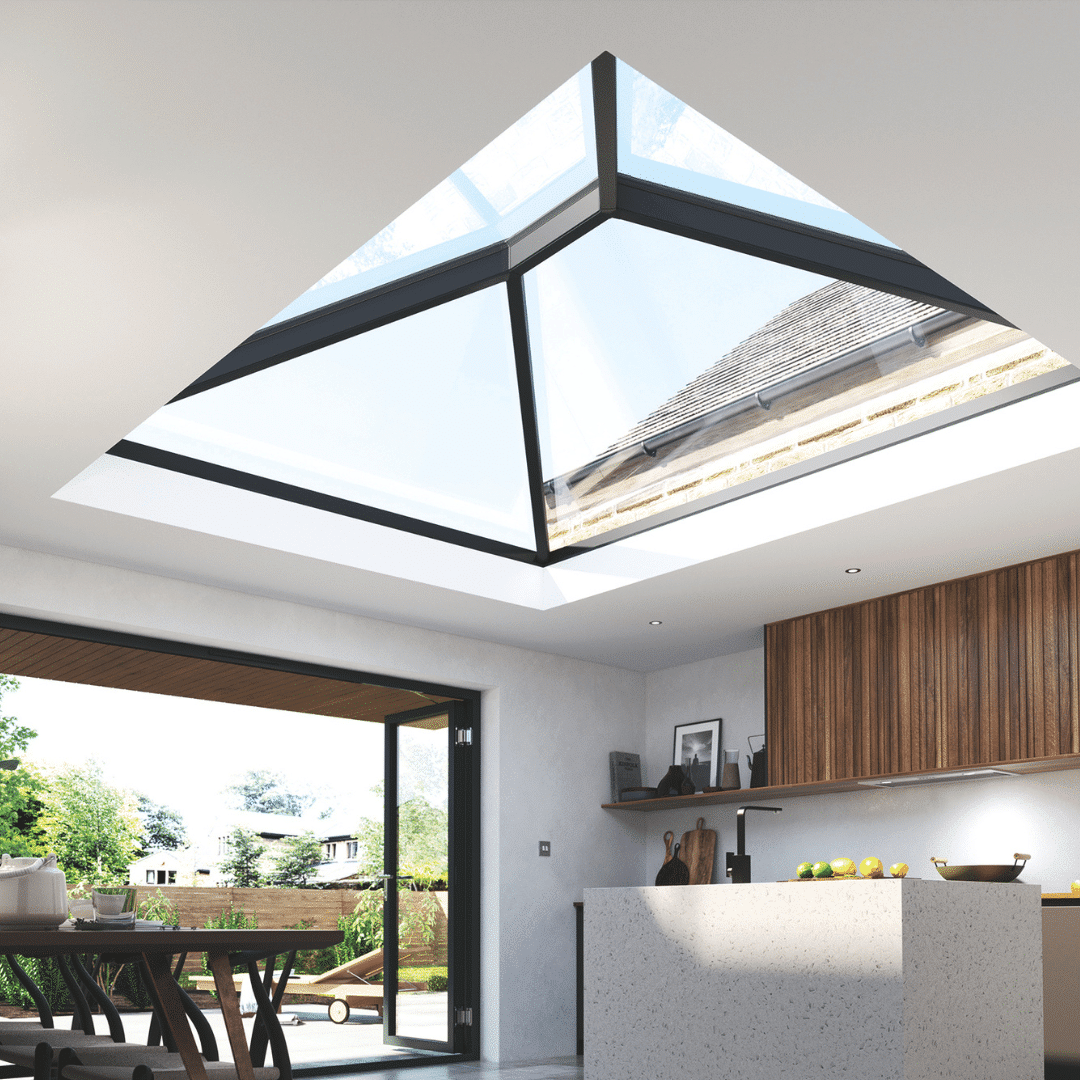
One-of-a-Kind Roof Lantern Choices to Upgrade Your Interior and Exterior Aesthetic
Roof lantern options present a fusion of contemporary and timeless design that can greatly elevate indoor and outdoor areas. Modern geometric designs create a refined, modern look, while Victorian influences add a touch of elegance and charm. Exploring these distinct approaches allows homeowners the ability to elevate their spaces with special architectural features.
Current Geometric Designs
Contemporary geometric designs in roof lanterns deliver a striking mix of utility and aesthetic appeal. These advanced structures often display sharp lines, angular shapes, and minimalist frameworks that create a current look while increasing natural light. By integrating materials such as glass and metal, designers create a sleek, sophisticated finish that complements various architectural styles. The interplay of light and shadow through these geometric forms enriches both indoor and outdoor spaces, creating visually engaging environments. In addition, customizable options allow homeowners to select sizes and shapes that fit their specific needs, ensuring that each lantern serves as a unique focal point. Ultimately, contemporary geometric roof lanterns elevate spaces with their stylish designs and practical benefits.
Traditional Victorian Qualities
While present-day styles rule the market, traditional Victorian elements in roof lanterns continue to captivate homeowners seeking to enhance their exteriors and interiors. Distinguished by intricate detailing, decorative frames, and refined glass design, these lanterns inspire a sense of enduring elegance. The use of wrought iron and stained glass is common, showcasing the craftsmanship of the Victorian era. Homeowners value how these designs create a striking focal point while enabling natural light to fill spaces. In both traditional and contemporary settings, Victorian-style lanterns effortlessly blend history with modernity, providing a distinctive look that suits diverse architectural styles. As the design landscape evolves, the lasting popularity of traditional Victorian influences remains a notable trend in roof lantern choices.
Picking the Ideal Roof Lantern for Your Home?
When choosing the ideal skylight for a house, homeowners should evaluate both aesthetic appeal and functional benefits. The style should complement the design aesthetic of the residence, whether it be contemporary, traditional, or somewhere in between. Size is another vital factor; the lantern should adequately suit the space to increase natural light without overwhelming the room.
Material options, such as aluminum or wood, can in addition influence the overall aesthetic and durability of the lantern. Homeowners should examine the type of glazing, as options like double or triple glazing can boost insulation and energy efficiency. Additionally, color and finish should match with existing decor to produce a cohesive appearance.
Practical considerations, such as upkeep simplicity and installation requirements, are equally vital. Ultimately, a well-chosen roof lantern can elevate a home's interior while affording lasting functionality and style.
Green Roof Lantern Implementation
Incorporating green initiatives into roof lantern design gives homeowners an possibility to enhance both aesthetic appeal and ecological responsibility. Modern roof lanterns can be manufactured from sustainable materials such as reclaimed wood and recycled aluminum, decreasing the carbon footprint connected to production. In addition, designers are progressively prioritizing energy-efficient glass that maximizes natural light while reducing heat loss, contributing to lower energy bills.
Moreover, integrating solar panels into roof lantern designs permits useful guide for collecting renewable energy, further supporting sustainability. The use of low-VOC paints and finishes guarantees healthier indoor air quality, matching with eco-conscious living.
The emphasis on sustainable integration not only elevates the aesthetic value of a home but also aligns with a prevalent trend towards environmentally-friendly living. As homeowners place importance on environmental consciousness, roof lanterns that embody these tenets will prove to be both visually appealing and conscientious picks.
Effortless Maintenance Pointers for Your Roof Lantern
Routine maintenance is critical for preserving the beauty and usefulness of roof lanterns. To achieve optimal performance, it is recommended to clean the glass surfaces regularly using a gentle material and a mild cleaning solution. This stops the buildup of dirt and grime that can limit natural light. Additionally, checking the seals and gaskets for wear or damage is important; changing them promptly can stop leaks and maintain energy efficiency.
Examining the frame and supporting framework for corrosion or oxidation ensures ongoing endurance. If metal components show signs of deterioration, applying a shielding layer can extend their lifespan. Moreover, during seasonal changes, it is prudent to remove debris such as leaves or snow that might collect on the lantern.
Common Questions Asked Frequently
What Price Range Can You Anticipate for Modern Roof Lanterns in 2026?
In 2026, the typical prices of modern roof lanterns vary between $1,500 to $5,000, shaped by factors including size, materials, and design complexity, demonstrating the shifting patterns in home architecture and aesthetics.
How Do Roof Lanterns Affect Home Energy Efficiency?
Roof lanterns enhance home energy performance by optimizing natural light, reducing reliance on artificial lighting. Their design can improve ventilation, allowing for better temperature regulation, ultimately leading to lower energy consumption and more environmentally friendly living spaces.
Can skylight installations be added on existing roofs?
Roof lanterns can be mounted on existing roofs, provided structural integrity is evaluated. Proper installation validates alignment with your existing roof setup and increases daylight while elevating visual appeal and energy performance in the residence.
What Is the Length of a Up-to-date Roof Lantern's Existence?
Contemporary roof lanterns generally have a lifespan of 20 to 30 years, subject to materials, maintenance, and elements to environmental factors. Consistent care can strengthen durability and performance over time.
Are Roof Lanterns compatible with All Types of Weather Conditions?
Roof lanterns can be suitable for various climates, provided they are properly designed and mounted. Thermal protection, construction components, and drainage factors are essential to guarantee functionality and longevity in both extreme heat and freezing conditions.